26.07.26Makoto Oozu
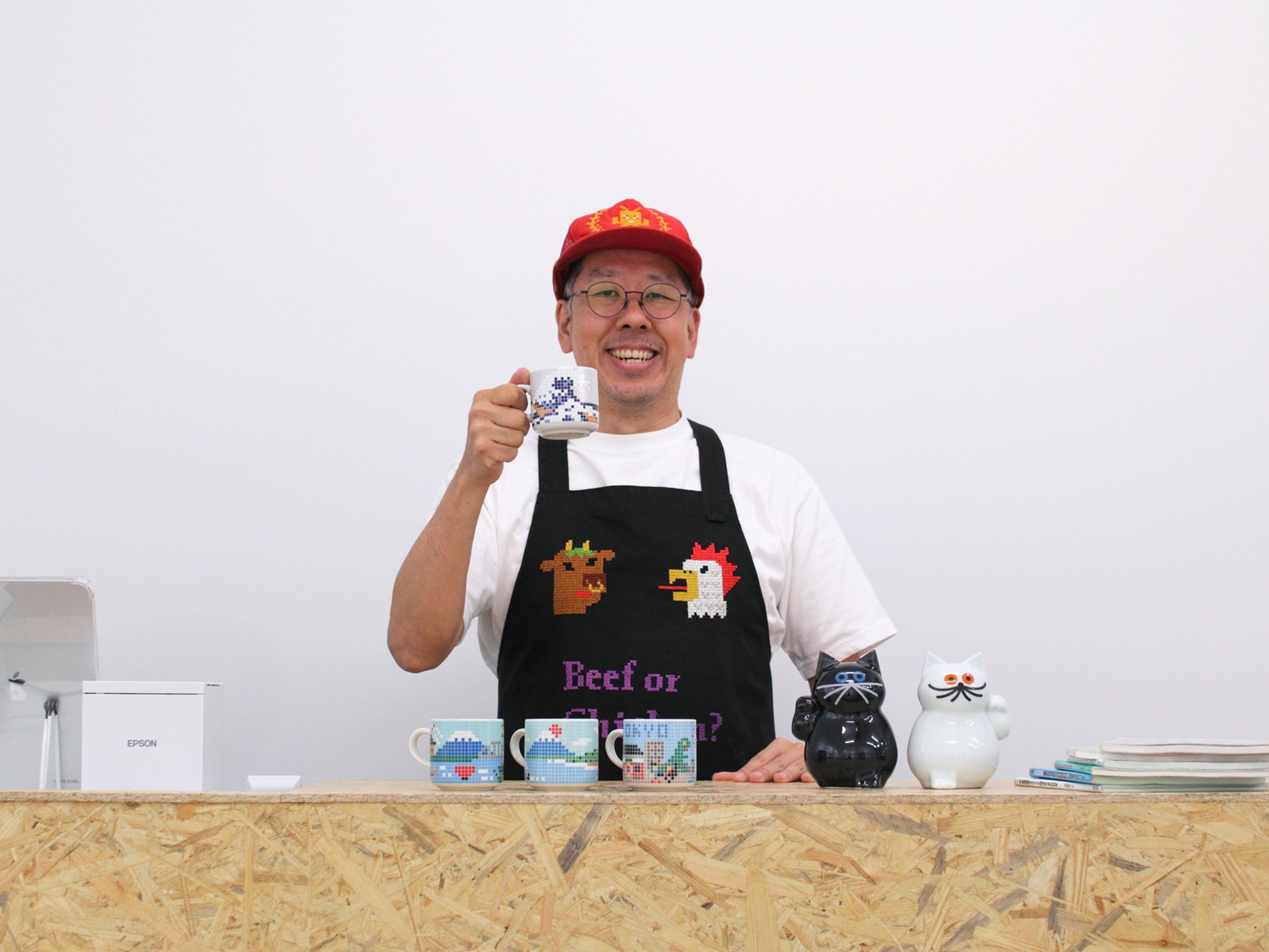
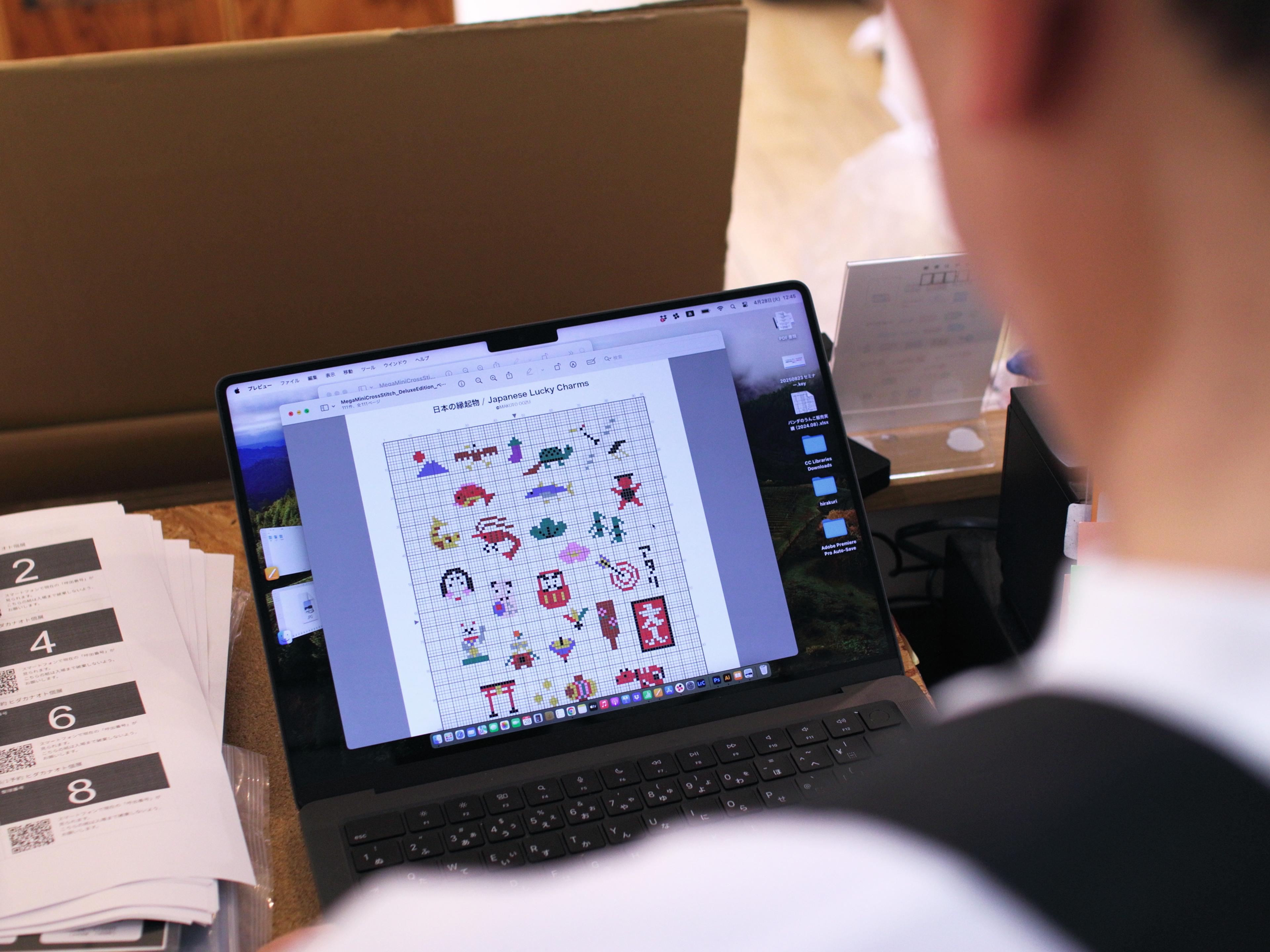
“Games are where my roots lie,” says Tokyo Pixel founder Makoto Oozu. “As a child, all I wanted was a Famicom (Nintendo Family Computer). When I realised I wouldn’t be getting one, I dreamt about growing up to become someone who makes them,” he recalls with a laugh.
For the Tokyo-based pixel artist, embroiderer and gallery owner, this love of games has shaped his artistic endeavours for more than two decades. The journey began in his early twenties, when a desire to pursue his own form of creative expression led him to swap illustration for the world of craft embroidery. Mixing cross-stitching techniques with game-inspired motifs, Oozu’s work quickly stood out from the crowd with its unique, playful imagery. Book deals in multiple languages, brand collaborations and a range of commissions soon followed, driving the growth of the Tokyo Pixel brand and design studio.
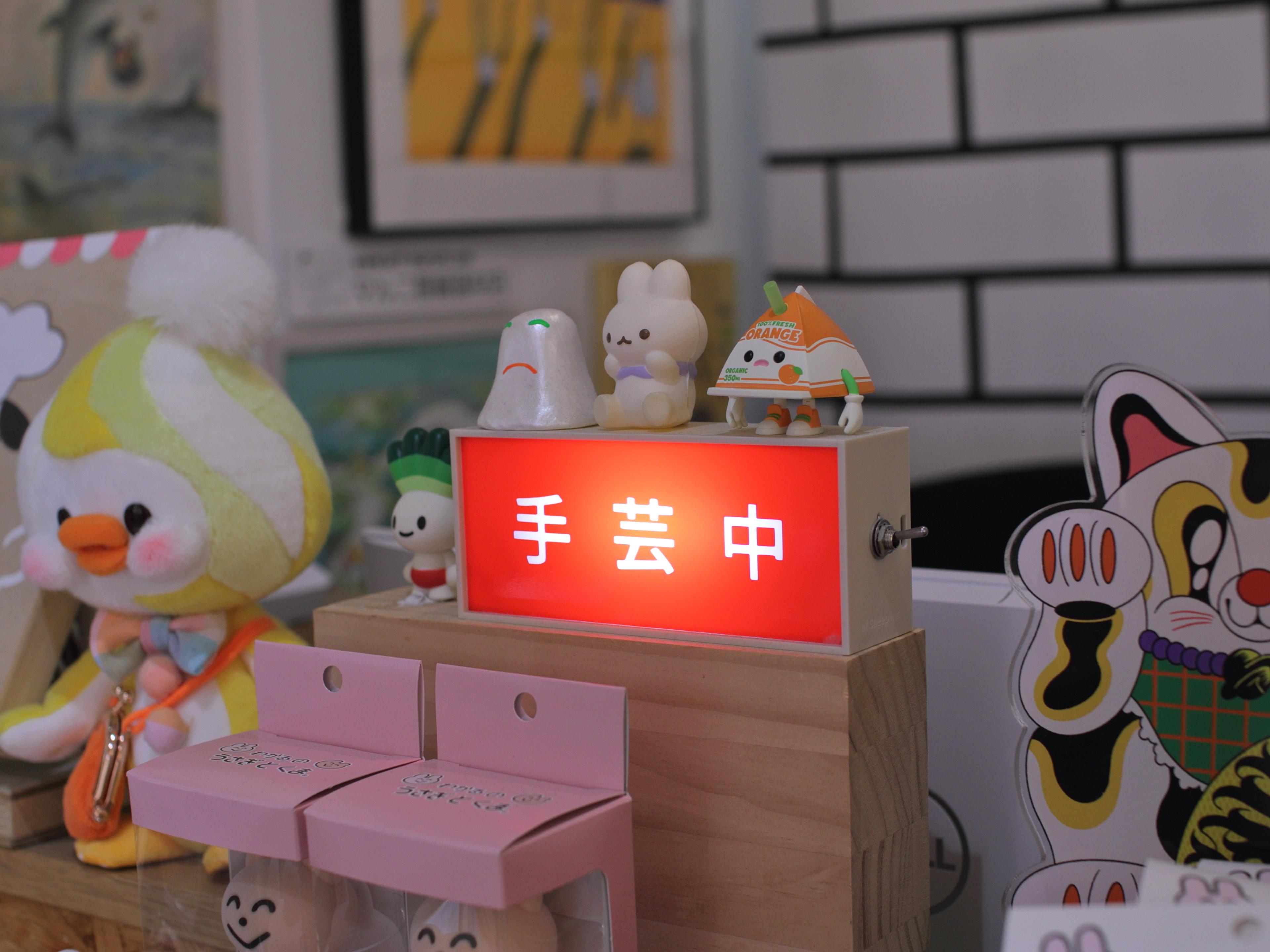
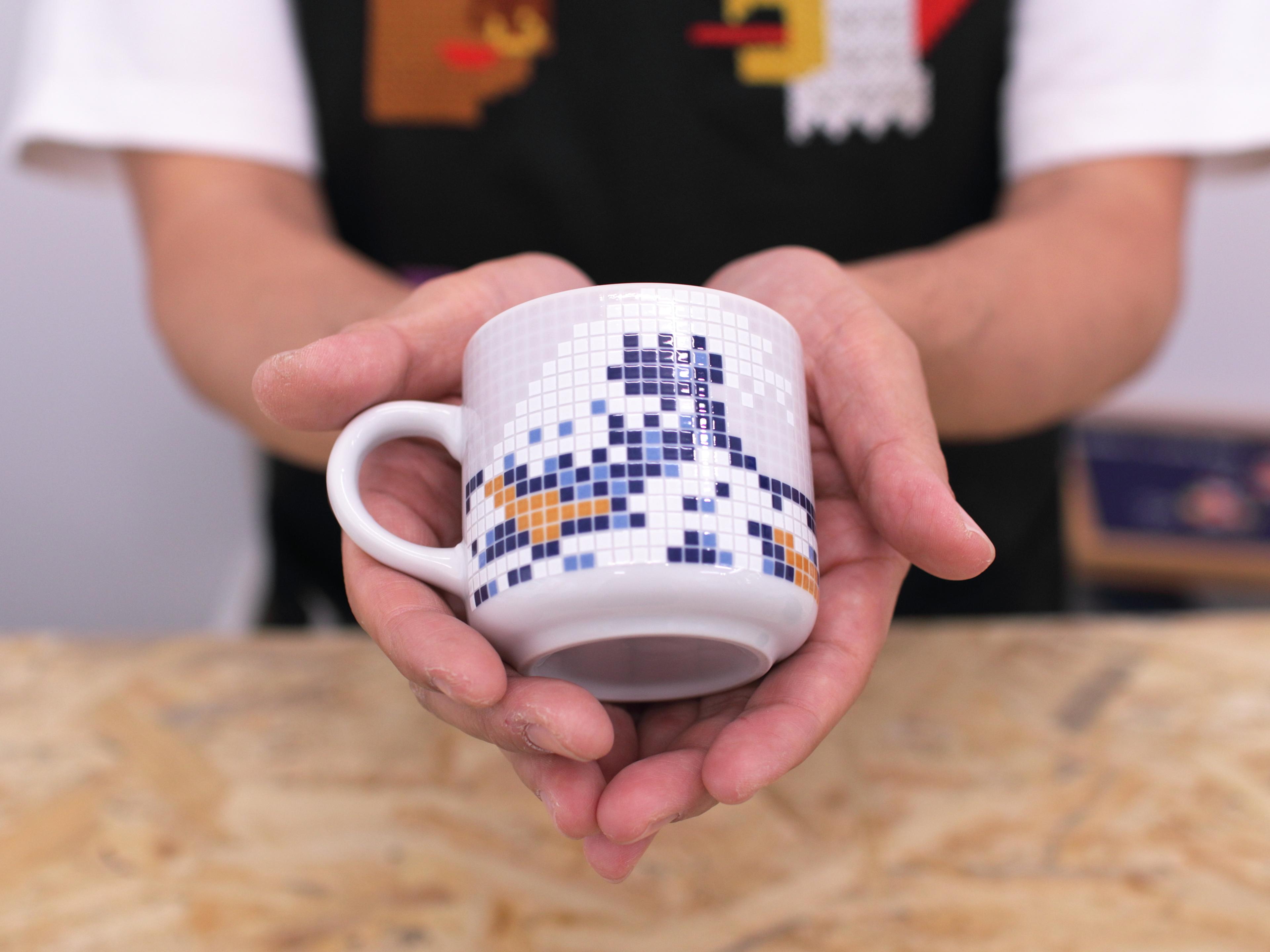
Two-dimensional and embroidered artworks aside, Oozu also began working closely with makers across Japan. From ceramics workshops in Shigaraki to soft toy manufacturers in Tokyo and washi paper tape and stamp-makers in his local Kuramae neighbourhood, he began to produce a variety of unique artist goods. Another collaboration is the Hasami-made brand The Porcelains, which emerged from a chance encounter with Saikai designer Kuntaro Abe in 2011. Bringing Oozu’s pixel art to life on mugs, plates and other tableware, the series began with an image of Mt. Fuji and has expanded to include other Japanese motifs and scenes from across the country.
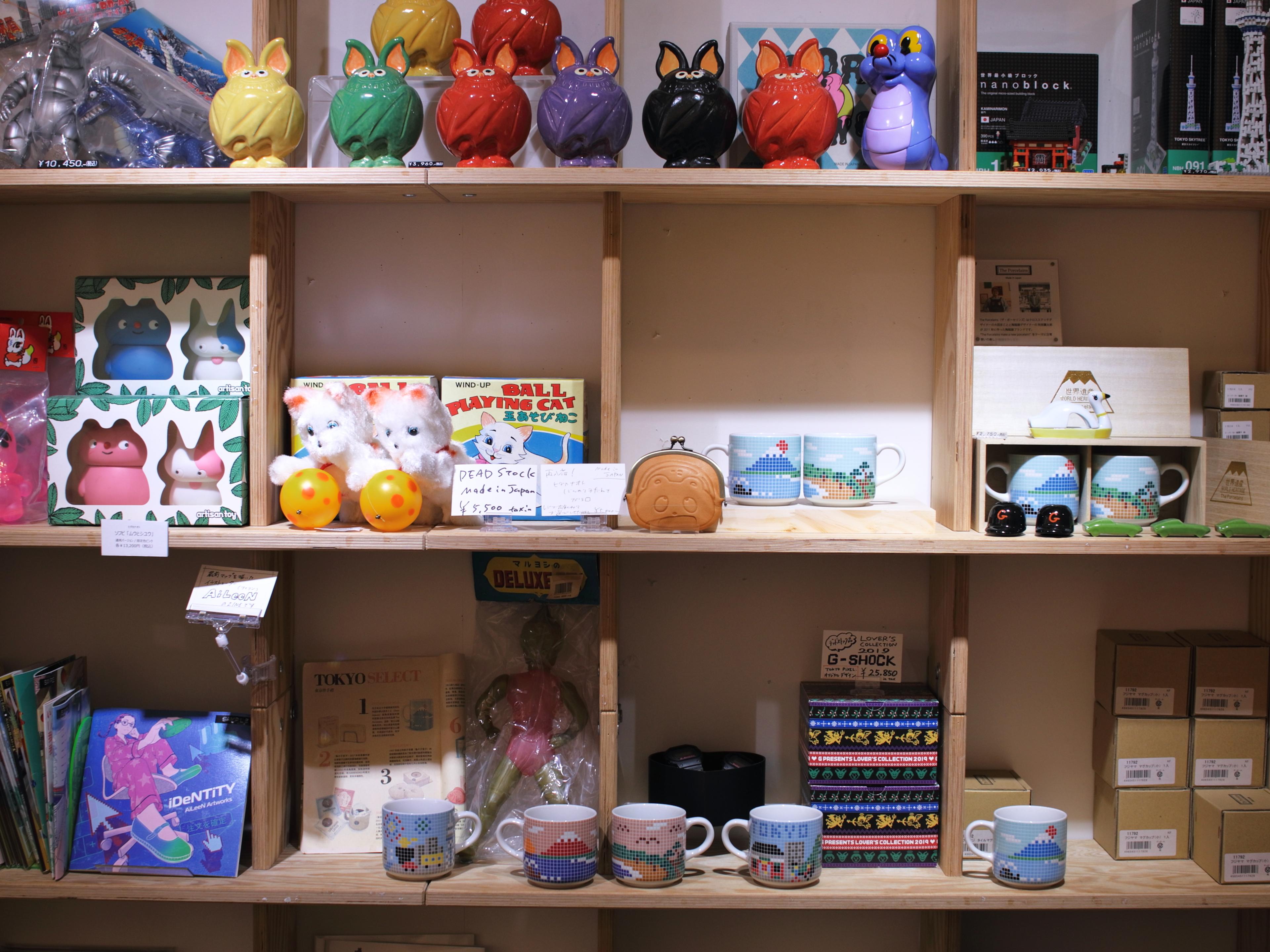
“The pixelated images have a bumpy texture, like a wall of tiles, created by carefully attaching a transfer sheet to the glazed ceramic and then re-firing in the kiln,” explains Oozu, noting the links to the murals found in Japanese sento (public bathhouse). Finding the perfect grid size was another important factor and meant considering both the limitations of production and the final rendering of the images. “Pixel art should always have an element of cuteness,” he adds. “But this can easily be lost when an image becomes too detailed.”
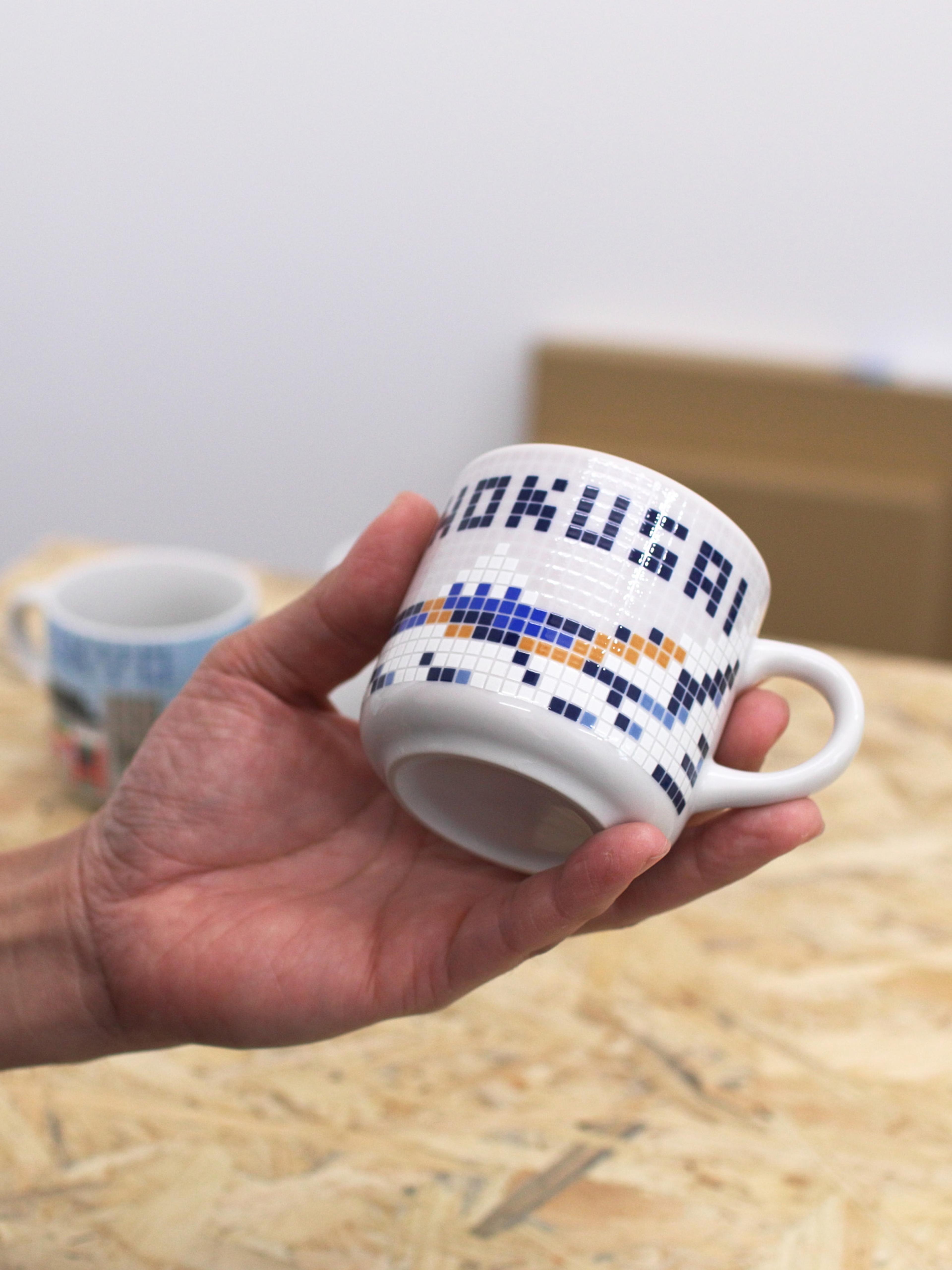
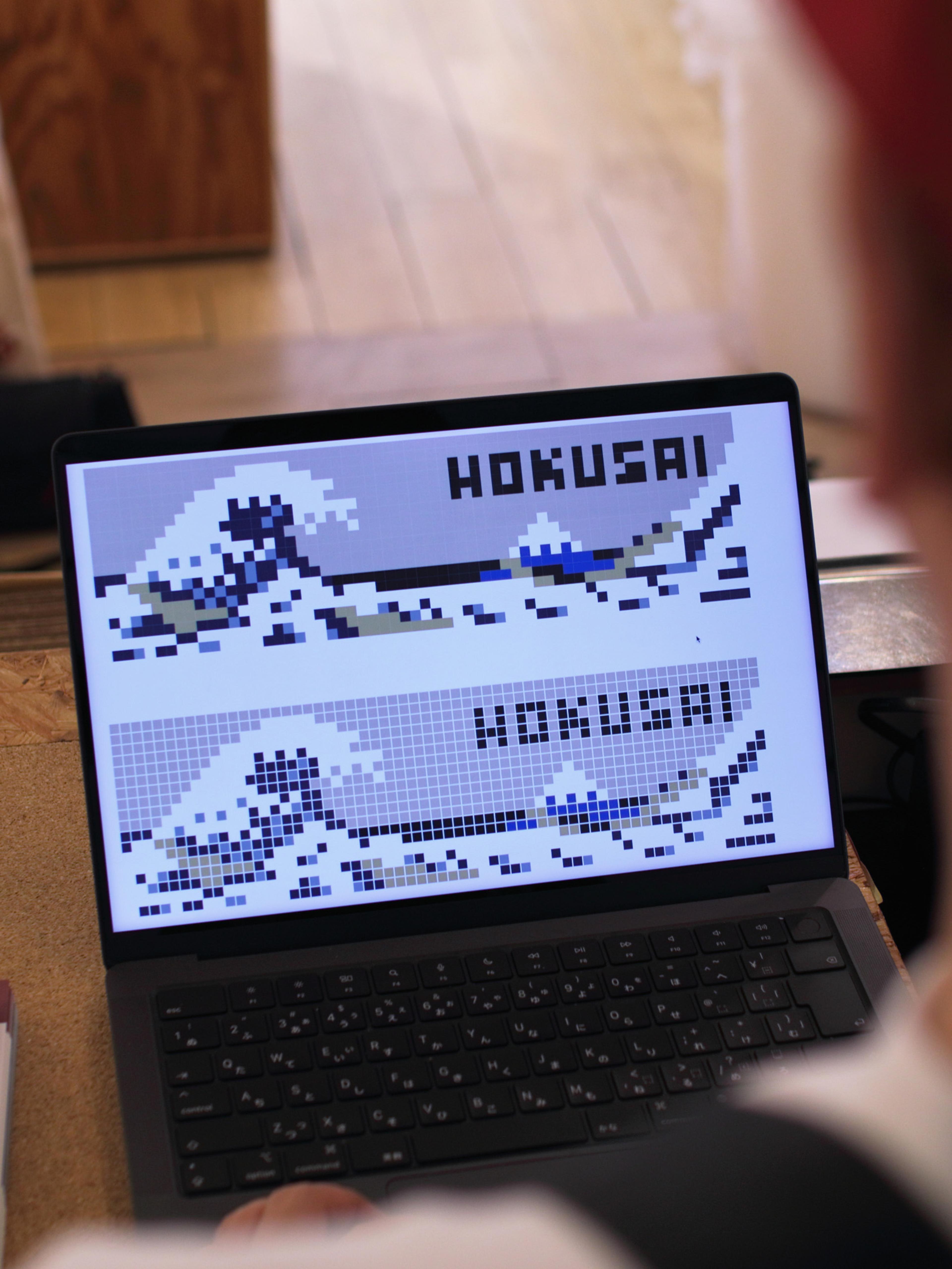
The latest addition to The Porcelains series is based on “The Great Wave off Kanagawa,” created by ukiyoe artist Katsushika Hokusai in the early 19th century. Reproduced countless times as a woodblock print, the classic image had an instrumental role in conveying Japanese aesthetics to the world – with an influence that extended to the likes of Vincent van Gogh and Claude Monet. For Oozu, translating such a well-known image into pixel art involved meant not only reducing it to a eighteen tile-high grid, but retaining the movement, symbolism and essence of the original. While only seven colours feature on the mug, paying homage to Hokusai’s pioneering use of Prussian blue was the most important of all.
Made in the workshops of Hasami, the mug’s design captures Oozu’s perspective on the centuries-old artwork, while references to other facets of Japanese culture, from 8-bit games to bathhouse murals, add further depth to its allure. “Expressing an image within a limited frame is what makes pixel art so fun,” he says with a smile.